
Why Most Personal Hygiene Routines Fall Apart (And What Actually Fixes That)
Routines collapse quietly. Not all at once — usually it’s one skipped step that becomes two, then suddenly you’re doing the bare minimum and calling it good enough. The weird thing is, most personal hygiene personal hygiene breakdowns aren’t about laziness. They’re about friction.

Think about what actually derails a consistent routine: products that run out at the wrong time, a 12-step skincare shelf that feels exhausting on a Wednesday night, or body wash that smells clinical enough to remind you of a hospital waiting room. (That last one is genuinely underrated as a motivation killer — scent matters more than people admit.) When the routine feels like a chore, the brain starts negotiating with itself. Just tonight. Just this once. And then it’s Thursday and you can’t remember when you last exfoliated.
So here’s the actual fix: reduce the decisions, not the standards.
The most sustainable personal hygiene personal hygiene habits are built around products that do more than one job, live somewhere visible, and feel good enough that you want to use them. A 3-in-1 shampoo-conditioner-body wash isn’t glamorous, but it’s sitting in 40% of gym bags for a reason — it removes a decision from a tired brain. Same logic applies to a single reliable deodorant you restock automatically versus trying five different “natural” formulas that leave you sweating through a presentation.
- Keep products at the point of use — not buried under the sink
- Replace things before they run out, not after (a $3 backup bar of soap is not a luxury)
- Pick a consistent anchor step — usually showering — and attach everything else to it
- Cut anything you skip more than twice a week; it’s not part of your routine, it’s just guilt
Brands in the personal care space — including suppliers like Yurun Care that develop customizable formulas for everyday use — have gotten better at designing products around real habits rather than ideal ones. That shift matters. A routine built on products that fit your actual life will outlast any elaborate system built around products that fit a Pinterest board.
Consistency beats complexity. Every single time.
What a Realistic Daily Personal Hygiene Routine Looks Like
Most people don’t have a “routine” — they have a loose collection of habits that happen in roughly the same order most mornings. Which, honestly? That counts. The goal here isn’t to build a spa schedule. It’s to figure out what actually needs to happen every day, what can slide to every other day, and what you’ve been skipping entirely without realizing it.
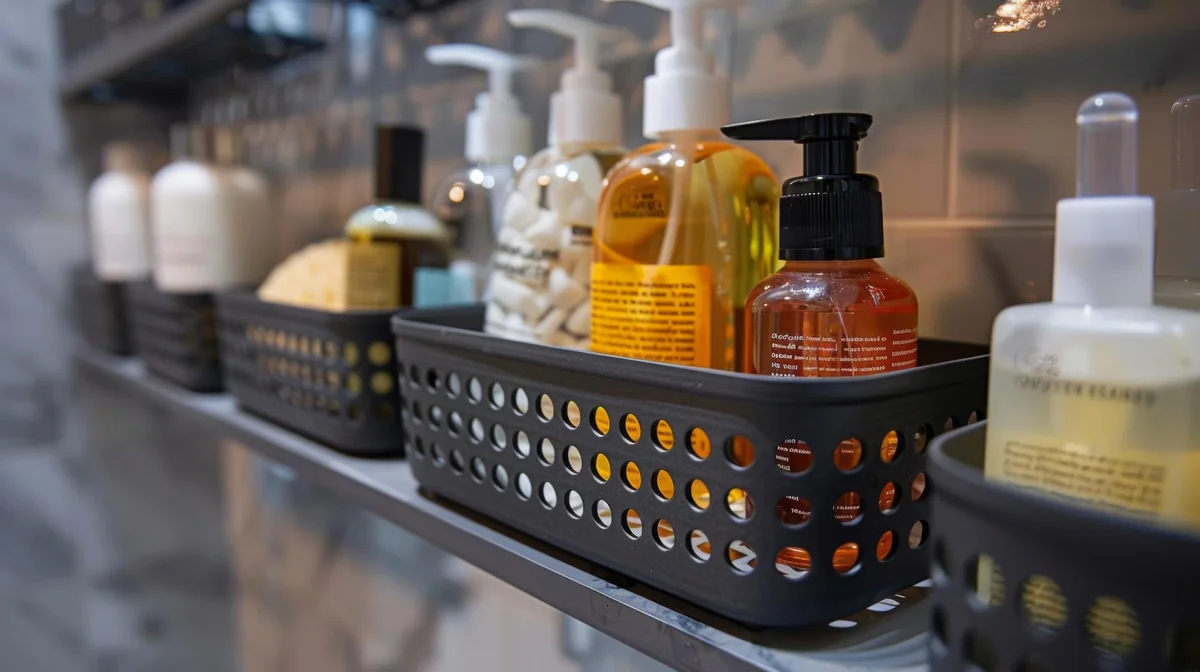
A realistic daily personal hygiene routine usually breaks into three windows: morning, evening, and whenever-you-remember. Morning handles the stuff that affects other people — body odor, breath, visible skin. Evening is where you undo the day. And the middle-of-the-day stuff — a quick hand wash before lunch, a tooth brush after coffee — those micro-habits matter more than most people give them credit for.
Here’s what a functional daily structure actually looks like:
- Wake up: splash water on your face or rinse off if you sweat overnight
- Brush teeth — two minutes, not forty-five seconds (a timer helps, even a basic phone one)
- Deodorant before you get dressed, not after
- Wash hands before eating anything, every time
- Evening: full face wash, brush teeth again, any targeted skincare you actually use
- Weekly anchor: shower frequency varies by person — daily for some, every other day for others — but body washing and hair care need a consistent slot
And this is where personal hygiene personal hygiene habits tend to fall apart — not because people don’t know what to do, but because the products are in the wrong place, or the steps feel like too many things at once. Keep it tight. Three to five non-negotiables per day is a real routine. Twelve steps is a wishlist.
One thing worth saying plainly: your routine doesn’t have to look like anyone else’s. Skin type, lifestyle, climate — a person living in Phoenix in July has different sweat-management needs than someone in Seattle. Same principles, different execution.
Boring and consistent beats elaborate and occasional. Every time.
How to Choose the Right Personal Care Products for Your Routine
Choosing products sounds simple until you’re standing in a drugstore aisle staring at forty-seven versions of the same body wash. Fragrance-free or scented? Gel or cream? $4 or $14? Honestly, the decision paralysis is real — and most people either grab whatever’s on sale or default to the same thing they’ve used since high school, without ever questioning if it’s actually working for them.

So here’s a more useful way to think about it. Match the product to the problem, not to the packaging.
Skin type is the obvious starting point, but people still get it wrong. Dry skin needs a body wash with something emollient in it — look for ingredients like glycerin or shea. Oily or acne-prone skin on the body? A salicylic acid wash (even a basic one around $6–8) does more than any “deep clean” marketing claim ever will. Combination skin — which, let’s be honest, is most people — benefits from a gentle, pH-balanced cleanser that doesn’t strip everything and send your sebaceous glands into overdrive.
- For face care: match your cleanser to your skin type, not your mood. A foaming cleanser that feels “squeaky clean” is often too harsh.
- For body: a mild sulfate-free formula works for most people most of the time. Simple.
- For hair: scalp condition matters more than hair length. Dandruff, oiliness, and dryness are scalp issues first.
- For deodorant: antiperspirants block sweat; deodorants just mask odor. Know which one you actually need.
And here’s the thing people skip entirely — ingredient overlap. If your face moisturizer already has SPF, you don’t need a separate sunscreen step every morning. If your shampoo has conditioning agents, a heavy separate conditioner might be redundant for your hair type. Redundancy isn’t thoroughness. It’s just expense.
Suppliers who work in the personal-care space — like those handling OEM product lines for international markets — will tell you that the most requested customizations are almost always about simplification: fewer steps, multi-function formulas, products that do two things cleanly rather than one thing perfectly.
Because that’s what actually gets used. Every day. Without thinking about it.
Making Your Hygiene Routine Stick Long-Term
Routines die in the gap between intention and friction. That’s it. That’s the whole problem — not laziness, not forgetfulness, just too many steps standing between you and actually doing the thing.
The research on habit formation (and yes, there’s a lot of it) consistently points to one variable that predicts success more than motivation does: how easy is the first step? If your personal hygiene routine requires opening three different drawers, finding the right product, and remembering the correct order, you’re going to skip it on tired nights. And tired nights are exactly when consistency matters most.
So the fix is almost embarrassingly simple. Put things where you’ll use them. A cleanser sitting on the bathroom counter gets used. The same cleanser buried in a cabinet gets forgotten by Wednesday.
A few things that actually help long-term:
- Attach new habits to existing ones — floss right after brushing, not as a separate decision you have to make.
- Keep your routine to under five minutes on weekdays. Seriously. Under five.
- Replace products you hate using, even if they were expensive. A $12 body wash you actually reach for beats a $45 one you avoid.
- Audit your shelf every few months — expired products, duplicates, things you bought once and never touched again.
And here’s something most people overlook entirely: seasonal adjustment. Your skin, your scalp, your body odor patterns — they shift across the year. A personal hygiene personal hygiene routine that works in July might genuinely not work in January. That’s not failure. That’s just biology.
The brands and formulators who think seriously about this — including suppliers building multi-climate product lines for international markets — design for that variability. Lighter textures for humid months. Richer formulas for cold, dry air. The same logic applies to how you build your own shelf.
Consistency isn’t about perfection. Not even close. It’s about making the default option the right option, so the decision is already made before you’re standing there half-asleep at 10pm.
Conclusion
The whole point of building a solid personal hygiene personal hygiene routine is that it eventually stops feeling like a routine at all — it just becomes what you do. No friction. No decisions at 10pm. Just habits that hold.
Simpler is almost always better. Fewer products, used consistently, beat a crowded shelf of things you half-use and forget.
So audit what you’ve actually got, cut what you don’t reach for, and adjust when the seasons shift. That’s genuinely it.
Frequently Asked Questions
Q: What actually counts as a solid personal hygiene personal hygiene routine?
A: The core stuff: daily face washing, brushing twice a day (two full minutes — not a 30-second rinse), deodorant, and showering often enough that you’re not a problem for other people. Beyond that, it’s about consistency over complexity. A three-product shelf you actually use beats a fifteen-product shelf you ignore.
Q: How often should you wash your hair?
A: For most people, every two to three days is the sweet spot — daily washing strips natural oils and can actually make your scalp produce more oil to compensate. If you’ve got fine or oily hair, you might need more frequent washing; thick or coarse hair can usually go longer without looking greasy.
Q: Why does my personal hygiene personal hygiene routine fall apart in winter?
A: Cold, dry air changes what your skin actually needs — lighter summer products stop cutting it, and a lot of people just don’t adjust. Swap your gel cleanser for something cream-based, and if your lips are cracking by November, your moisturizer probably isn’t rich enough for the season. The routine isn’t broken; it just needs a seasonal edit.
Q: How long does it take to build a hygiene habit that sticks?
A: The popular “21 days” figure is honestly too optimistic — research puts habit formation closer to 66 days on average, depending on the complexity of the behavior. The trick is reducing friction: keep your products where you’ll see them, not buried in a cabinet.
Q: Can I use body wash as a face wash in a pinch?
A: Technically yes, but the skin on your face is thinner and more reactive than body skin — body washes are usually more alkaline and can disrupt your skin barrier pretty fast if used regularly. A proper facial cleanser (even a basic $8 CeraVe one) is worth the separate purchase.
Q: Is it worth spending more on personal hygiene personal hygiene products?
A: Sometimes, but not as often as brands want you to believe. Ingredients matter more than price tags — a $12 niacinamide serum can outperform a $60 one with the same active percentage. Where it does make sense to spend more: sunscreen (you’ll actually want to apply it), and deodorant if cheaper formulas don’t hold up past noon.
Q: How do I know if my personal hygiene personal hygiene routine has too many products?
A: If anything on your shelf has been sitting untouched for three weeks, that’s your answer. Overlapping products — like three different moisturizers — don’t stack benefits; they mostly just add cost and confusion. Edit down to one product per function and see if your skin (or hair, or whatever) actually notices the difference.
Q: What’s the most overlooked part of a daily hygiene routine?
A: Hands down — tongue cleaning. Most people brush their teeth and call it done, but the tongue holds a significant chunk of the bacteria responsible for bad breath. A basic tongue scraper costs under $5 and takes about ten seconds; it’s genuinely one of the highest-impact changes you can make to a routine that feels like it’s already complete. Related reference: yuruncare.com and Homepage.