
The Middle East has become one of the lucrative markets for the sale of feminine hygiene products because of steady population growth, increased consciousness about women’s health, and high demands for quality personal care products. There is an increased number of distributors and retailers seeking for professional sanitary pad suppliers who can provide high quality, reasonable prices, and customized products.
On the other hand, many importers are seeking for OEM sanitary pad manufacturers rather than buying finished products. OEM collaboration enables companies to manufacture private label sanitary pads, which will have customized packaging and brand marketing strategies. Because of high dependence on importing hygiene products and fast development of e-commerce in the Middle East, there are great possibilities for foreign sanitary pad suppliers in the Middle East region.
However, to enter the market successfully, it is necessary to know certain laws, Arabic labeling, and import procedures.
Middle East Sanitary Pads Market Overview for Importers
Before importing sanitary pads into the Middle East, buyers should understand that each country has different market characteristics. Consumer preferences, purchasing power, price sensitivity, and sales channels vary significantly across the region. Selecting the right target market helps importers develop suitable products and improve business performance.
The following table shows the basic market differences among major Middle Eastern countries:
| Country | Import Demand | Consumer Preference | Price Level | Main Sales Channel |
| Saudi Arabia | High | Premium products | High | Hypermarkets & Pharmacies |
| UAE | High | Premium & Organic | High | Retail & E-commerce |
| Iraq | Very High | Affordable products | Low | Distributors |
| Kuwait | Medium | Thin & Cotton products | High | Pharmacies |
| Qatar | Medium | Premium products | High | Retail |
| Oman | Medium | Value products | Medium | Retail |
| Jordan | Medium | Balanced products | Medium | Wholesale |
Different markets require different product approaches. Premium pads and private labels will work better in Saudi Arabia and UAE, while Iraq would prefer competitive pricing and high volume orders. For companies that intend to expand regionally, the selection of an OEM pads manufacturer that offers flexibility will ensure the provision of suitable products for different customers.
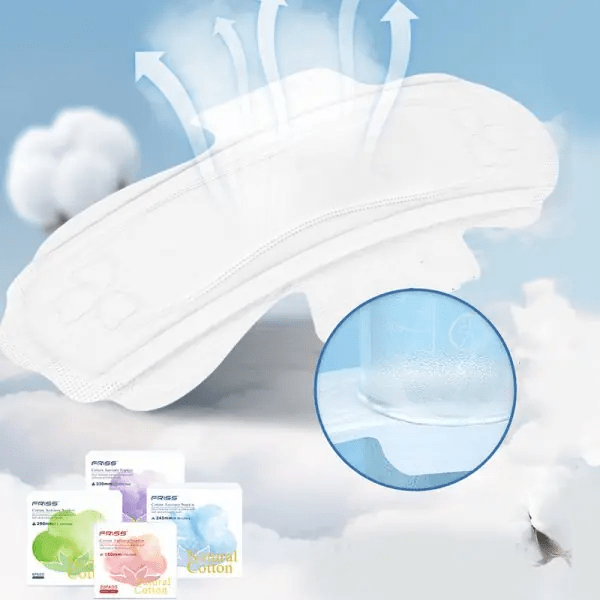
Why Importers Are Looking for OEM Sanitary Pads Manufacturers
The high demand for feminine hygiene products with customized features has seen many distributors and retailers team up with OEM sanitary pad manufacturers. Companies no longer compete by trying to outdo other brands; they choose to manufacture their own product for better competitiveness.
Private Label Sanitary Pads Create New Opportunities
Private brand sanitary pads provide businesses an opportunity to design their own products considering local market needs. In partnership with OEMs, importers can customize the packaging, size, absorbency, material, and other aspects.
Consumer needs vary from market to market in the Middle East. Premium consumers might prefer ultra-thin sanitary pads, breathable material, or organic cotton products, whereas low-cost markets may concentrate on family packs.
A good sanitary pad manufacturer will be able to assist with the development and production of these customized products for the importer’s own brand.
Rising Demand for High-Quality Feminine Hygiene Products
In the Middle Eastern market, consumers have become very sensitive regarding the safety, comfort, and performance of the products. The demand for high-quality products that offer greater absorbency, skin-friendly composition, and good protection has consequently grown significantly.
The key requirement for B2B purchases is to maintain product consistency, since sanitary napkins directly impact the consumer’s trust. It is important to partner with a supplier who has a strong quality control system and experience exporting products.
Import Regulations for Sanitary Pads in Middle East Countries
Importing Sanitary Pads in the Middle East requires knowledge about various regulatory requirements. Even though each country has different regulations, most countries require the product to be registered, labeled in Arabic language, and have an appropriate importer.
Compliance with these regulations prior to shipment will prevent any customs complications.
| Country | Product Registration Requirement | Arabic Label Requirement | Import License Requirement |
| Saudi Arabia | Required. Product registration, technical documents, test reports, and manufacturer information may be required. | Required. Packaging should include Arabic product information, instructions, manufacturer details, and country of origin. | Required. Importers need valid commercial registration and import authorization. |
| UAE | Required depending on product classification and local requirements. | Required. Arabic-English bilingual packaging is commonly used. | Required. Importers need trade licenses and customs registration. |
| Kuwait | Required. Approval from relevant authorities may be needed before sale. | Required. Arabic labeling is mandatory. | Required. Import registration and commercial licenses are required. |
| Qatar | Required. Product documents and compliance documents may be requested. | Required. Arabic labeling is required. | Required. Import license and commercial registration are needed. |
| Oman | Required depending on product category. | Required. Arabic labeling is generally required. | Required. Import permits may be required. |
| Bahrain | Required. Product documents may be reviewed by authorities. | Required. Arabic information must be included. | Required. Import authorization is needed. |
| Jordan | Required. Product approval documents may be requested. | Required. Arabic labeling is required. | Required. Registered importer is needed. |
| Iraq | Requirements vary by region. Product certificates are commonly requested. | Required. Arabic labeling is commonly requested by distributors. | Required. Local importer registration is needed. |
Product Registration Requirements for Sanitary Pads Import
Product registration plays a vital role while gaining access to most of the Middle Eastern markets. There could be requirements from importers to submit various technical details along with safety reports and manufacturer details regarding the products before distribution.
Countries that have strict regulatory laws generally demand more documentation. Hence, it becomes easy to get the approvals if you work with an experienced OEM sanitary pads supplier.
Arabic Labeling Requirements for Sanitary Pads Packaging
Labeling in Arabic is an important requirement for the imported sanitary pads. It should ideally contain product name, usage instructions, company details, country of origin, manufacture date, and expiry date.
Customized Arabic-English packaging services for international brands are of great importance as they help products comply with local requirements and enhance consumer understanding.
Import License Requirements for Sanitary Pads
Importation of products to the market usually requires having business registration and import permits. Collaboration with local distributors is a frequent practice since they know the processes involved and the sales channels within that region.
Key Differences Between Middle East Sanitary Pads Markets
Each Middle Eastern country has different business opportunities and challenges. Understanding these differences helps importers choose suitable products and develop effective market strategies.
Saudi Arabia: The Most Regulated Market
Saudi Arabia can be considered one of the major markets for feminine hygiene in the Middle East region. However, it is important to note that it has higher compliance standards than most neighboring countries.
This market is suitable for premium quality tampons, organic cotton products, and private label brands. Customers care about the quality, comfort, and safety of the products.
Importers need to get all the documents ready before entering this market.
UAE: A Regional Distribution Hub
The UAE is an excellent trade hub for foreign companies when entering the Middle Eastern market. Dubai is a gateway to the distribution network of GCC countries.
It offers high development of e-commerce, premium clientele, and a high consumption of imported goods. Sanitary pads can be marketed via supermarkets, drugstores, online shopping platforms, and cosmetics shops.
For foreign buyers, the UAE can be an excellent gateway to the entire region.
Iraq: A Price-Sensitive Market
Iraq is more concerned with affordability, pricing, and order size than the GCC countries.
The standard sanitary pads and family packs suit this market well. The suppliers with high manufacturing capacity and cost efficiency have good chances through the local distributors.
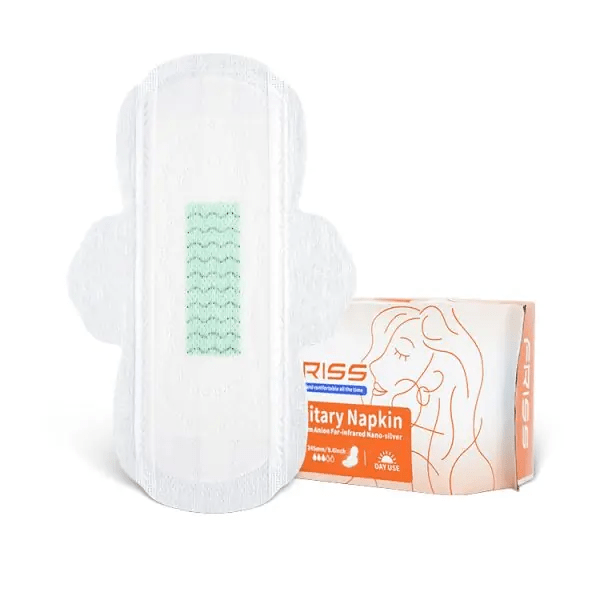
Common Documents Required for Middle East Sanitary Pads Import
Sanitary pads importation should have all necessary documents prepared before transportation. The general requirements include documentations for companies, products and packaging.
Company documentations consist of licenses, importer documentations, and manufacturing companies’ information to check qualification of importer and supplier.
Product documentations involve specification documentations for product, material information, absorbency test report, safety test report and quality certificates.
Documents regarding packaging of products include design of Arabic-English labels, bar codes, batch numbers, date of production and expiration and country of origin.
Documentation preparation eliminates any possible problem during importing and promotes cooperation between sanitary pads suppliers and distributors.
How to Choose the Right Sanitary Pads Supplier for Middle East Import
Choosing the right supplier is essential for successful market entry. A reliable manufacturer should provide competitive pricing, stable quality, customization services, and export support.
OEM Capability and Customization
Businesses must opt for manufacturers that have great OEM and private label manufacturing capacity. The right manufacturer will be able to customize products and also offer flexible production options.
This will help businesses to manufacture pads that meet various market needs.
Quality Control and Production Capacity
Quality control and manufacturing capacity are crucial considerations in choosing a supplier. Importers need to consider the manufacturing process, testing methods, delivery process, and export experience.
Sanitary Pads Manufacturers Professional can assist companies in ensuring consistent quality and reducing risk of supply as well as expanding their markets.
Conclusion
Sanitary pads importers have plenty of business opportunities in the Middle East thanks to the rising awareness about the importance of hygiene, increasing demand for private labels, and high dependence on imported feminine hygiene products.
Nevertheless, in order to enter this market successfully, one should properly prepare the process of registering the products, producing Arabic labels, arranging imports, and implementing market strategies. Selecting the OEM sanitary pads manufacturer with sufficient experience and customization capabilities will enable entrepreneurs to offer competitive products and operate effectively. To learn more about sanitary pads manufacturing options, please visit HOME – OEM & Private Label sanitary napkins Manufacturer – Global Top Care Manufacturer OEM Factory..